
Views: 0 Author: Site Editor Publish Time: 2025-06-10 Origin: Site


Crimping ring terminals is an essential skill for anyone working with electrical wiring. Whether you're a DIY enthusiast, an electrician, or involved in manufacturing, understanding the proper technique can save you time and ensure safe, reliable connections. But what exactly makes crimping so crucial in electrical systems? And how can you do it with precision and consistency?
In this guide, we’ll dive into the essentials of crimping ring terminals, explaining the process, tools, and key tips. You'll also learn about the advanced technologies that make crimping easier and more reliable, like the Terminal Crimping Machine. Let’s get started!
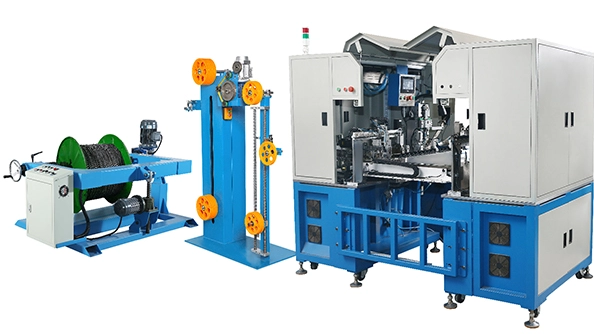
Crimping is the process of joining two pieces of metal or wire by deforming one of them, typically by pressing it onto a terminal or connector. The purpose is to create a permanent and reliable connection without the need for soldering or additional fasteners.
Crimping ensures that the connection between the wire and terminal is both strong and electrically conductive. A good crimp will prevent loosening, corrosion, and other issues that can arise from poor connections, ensuring long-term reliability.
When it comes to crimping, the right tools make a world of difference. Here's what you'll need:
Wire Strippers
These are used to remove the insulation from the wire, exposing the metal core. Choose a stripper with adjustable settings to avoid damaging the wire.
Crimping Tool
A manual or powered tool that allows you to press the terminal onto the wire. For larger jobs, Terminal Crimping Machines provide an automated and consistent crimping process, reducing human error and increasing productivity.
Ring Terminals
These are the connectors that are crimped onto the wire. Choose terminals that match the wire size and type you're working with.
Multimeter
A tool to test the crimped connection for continuity and electrical performance. Ensuring that the crimped connection is working as intended is crucial for the overall success of the wiring job.
Start by using your wire strippers to remove the insulation from the end of the wire. Be careful not to nick or damage the wire itself, as this can affect the performance of the crimp. You should strip enough insulation to fit inside the terminal without excess wire hanging out.
Once the wire is stripped, insert the exposed wire into the metal barrel of the terminal. The wire should fit snugly inside the terminal without any gaps. If the wire is too short or too long, trim or strip it accordingly.
Place the terminal inside your crimping tool, making sure it’s positioned properly. If you're using a Terminal Crimping Machine, the machine will automatically align the terminal and wire for consistent pressure. Squeeze the tool tightly to compress the terminal onto the wire. For manual tools, make sure to use the correct die for the size of the terminal.
Once the crimping is complete, use a multimeter to test the continuity of the connection. A good crimp should provide a solid, low-resistance connection. Gently tug on the terminal to ensure it's securely attached to the wire.
If necessary, cover the crimp with heat shrink tubing or electrical tape to provide additional protection against moisture and corrosion.
While manual crimping tools work well for smaller jobs, large-scale applications can benefit from more advanced crimping machines. Terminal Crimping Machines offer several advantages over hand tools:
Automated Precision: These machines apply consistent pressure, ensuring that every crimp is uniform and reliable.
Speed: Crimping machines can handle large volumes of terminals, making them ideal for industrial applications.
Customization: Some machines allow for adjustments in pressure and cycle time to suit different materials or terminal types.
When selecting a Terminal Crimping Machine, consider factors such as:
The size and type of terminals you need to crimp.
The volume of terminals you’ll be working with.
Whether you need an automated or semi-automated machine.
The material types (e.g., copper, aluminum) you’ll be working with.
Ningbo Leyipu Electronic Technology Co., Ltd. offers a range of high-quality crimping machines designed to handle a variety of applications, ensuring consistent, high-performance results.
Incorrect Wire Stripping: Stripping too much or too little insulation can lead to poor connections. Ensure you only strip as much as needed for the terminal.
Using the Wrong Size Terminal: Always match the terminal size to the wire gauge. Using the wrong size terminal can lead to weak or unreliable connections.
Under or Over-Crimping: Applying too much or too little pressure during crimping can result in a bad connection. A Terminal Crimping Machine can help eliminate this issue by providing consistent pressure.
Crimping is essential in many industries, including:
Automotive: For reliable connections in wiring harnesses and electrical systems.
Aerospace: Where high-quality, dependable connections are critical.
Industrial Manufacturing: In machinery and equipment where electrical systems need to function reliably.
Marine: In harsh environments, where corrosion resistance is key to ensuring safety and durability.
Consistency: Machines ensure that every crimp is the same, eliminating human error.
Efficiency: Automated machines reduce the time required to crimp, increasing production capacity.
Quality Control: Machines provide better control over the crimping process, ensuring a higher quality product.
Crimping ring terminals is a straightforward yet vital process in electrical work. Whether you’re doing it by hand or using an automated Terminal Crimping Machine, understanding the correct steps and techniques is key to achieving a reliable and safe connection. Investing in high-quality crimping machines, such as those offered by Ningbo Leyipu Electronic Technology Co., Ltd., ensures that your connections are made efficiently and accurately, meeting the demands of your project.
A: Crimping ensures a strong and reliable electrical connection between a wire and a terminal. It’s a key part of creating long-lasting and safe electrical systems.
A: Yes, manual tools are effective for small-scale projects, but for high-volume or precision work, a Terminal Crimping Machine provides more consistency and speed.
A: Consider factors like terminal size, material type, and production volume. Ningbo Leyipu Electronic Technology Co., Ltd. offers machines that are ideal for various applications.
A: The most common mistake is incorrect wire stripping. Too much or too little insulation can affect the crimp’s strength and performance.


