
Views: 0 Author: Site Editor Publish Time: 2025-05-24 Origin: Site


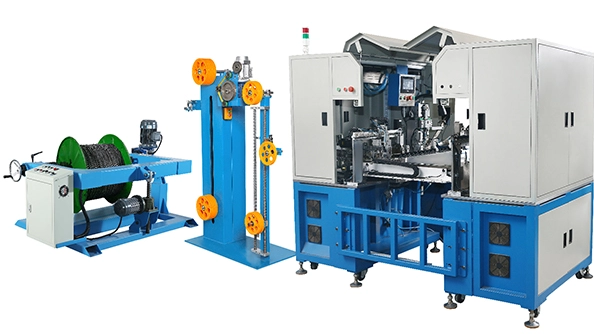
Crimping cable terminals is a crucial skill in the world of electronics and electrical engineering. It involves the process of joining a terminal to a wire or cable by compressing it, creating a secure and reliable connection.
In this article, we will explore the step-by-step process of crimping cable terminals, the tools and materials required, and some tips to ensure a successful crimping operation.
Crimping cable terminals is the process of attaching a terminal, such as a connector or lug, to the end of a wire or cable using a crimping tool. This creates a secure and permanent connection that allows electrical signals or power to pass between the wire and the terminal.
The crimping process involves deforming the metal terminal to fit tightly around the wire, ensuring good electrical conductivity and mechanical stability. The crimped connection is often insulated with a heat-shrink sleeve or other protective covering to prevent short circuits and protect against environmental factors.
Crimping cable terminals requires specific tools and materials to ensure a secure and reliable connection. Here are the essential tools and materials needed for the crimping process:
Crimping tool: A specialized tool designed to compress the terminal around the wire or cable. Crimping tools come in various sizes and types, including manual, hydraulic, and electric models, to accommodate different terminal sizes and materials.
Wire strippers: A tool used to remove the insulation from the ends of the wire or cable, exposing the bare conductor for crimping.
Cutting tool: A tool, such as wire cutters or scissors, used to cut the wire or cable to the desired length before crimping.
Measuring tape or ruler: A measuring tool used to measure the length of the wire or cable required for the application.
Heat gun or heat shrink tubing: A heat gun is used to shrink heat-shrink tubing over the crimped connection, providing insulation and protection against environmental factors.
Crimp terminals: Metal terminals, such as lugs, connectors, or sleeves, made of materials like copper or aluminum, designed to be crimped onto the wire or cable.
Wire or cable: The electrical wire or cable that will be connected to the terminal.
Heat-shrink tubing: A type of insulation material that shrinks when heated, used to cover the crimped connection and provide protection against short circuits and environmental factors.
Electrical tape or heat-shrink sleeves: Insulation materials used to cover the crimped connection and provide additional protection against short circuits and environmental factors.
Crimping cable terminals is a straightforward process that involves a few essential steps. Here’s a step-by-step guide on how to crimp cable terminals:
Start by cutting the wire or cable to the desired length using a cutting tool. Then, use wire strippers to remove the insulation from the ends of the wire or cable, exposing the bare conductor. Make sure to strip the appropriate length of insulation based on the size of the terminal being used.
Choose the right terminal for the application, considering factors such as the wire gauge, material, and intended use. Ensure that the terminal is compatible with the wire or cable being used and is of high quality to ensure a secure and reliable connection.
Insert the stripped end of the wire or cable into the terminal, ensuring that the conductor is fully inserted and that no bare wire is exposed. The stripped length should match the length of the terminal’s crimping section.
Open the crimping tool and position the terminal in the appropriate die or jaw that corresponds to the size and type of terminal being used. Ensure that the terminal is properly aligned and seated in the tool to ensure an even and secure crimp.
Close the crimping tool to compress the terminal around the wire or cable. Apply firm and even pressure to ensure a secure and permanent crimp. The crimping tool should have a ratcheting mechanism or a stop feature to prevent the jaws from opening until the crimping is complete.
After crimping, visually inspect the connection to ensure that the terminal is securely attached to the wire or cable. Check for any signs of damage, such as cracks, deformation, or incomplete crimping. Ensure that the crimped terminal is free from any sharp edges or burrs that could cause damage or short circuits.
If necessary, cover the crimped connection with heat-shrink tubing or electrical tape to provide insulation and protection against short circuits and environmental factors. If using heat-shrink tubing, use a heat gun to shrink the tubing and create a tight seal around the crimped terminal.
Crimping cable terminals is a crucial skill in the world of electronics and electrical engineering. It involves the process of joining a terminal to a wire or cable by compressing it, creating a secure and reliable connection.
In this article, we will explore the step-by-step process of crimping cable terminals, the tools and materials required, and some tips to ensure a successful crimping operation.
Choose a crimping tool that is appropriate for the size and type of terminals you are using. Using the wrong tool can result in incomplete or improper crimping, leading to unreliable connections.
After crimping, visually inspect the connection to ensure that the terminal is securely attached to the wire or cable. Check for any signs of damage, such as cracks, deformation, or incomplete crimping.
Before using the crimped connection in a live application, test it for continuity and resistance to ensure that it is functioning correctly and that there are no issues with the connection.
To provide additional insulation and protection to the crimped connection, use heat-shrink tubing or electrical tape. Ensure that the tubing or tape is applied evenly and securely to prevent moisture ingress and short circuits.
Crimping cable terminals is a straightforward process that is essential for creating secure and reliable electrical connections in various applications. By following the step-by-step procedure outlined in this article and using the right tools and materials, you can ensure that your crimped connections are strong, durable, and ready for use.
Whether you are working on a DIY project or a professional application, mastering the art of crimping cable terminals is an invaluable skill that will serve you well in the world of electronics and electrical engineering.


